Blog
Doctor-reviewed articles about addiction and mental health.

Ice Addiction Treatment: 5 Crucial Stages from Addiction to Recovery
Ice is crystal meth, a potent synthetic stimulant that disrupts the nervous system and can cause hallucinations and violent behaviour. Addiction is treated in five stages: assessment, supervised detox, treatment of acute psychiatric symptoms, intensive behavioural rehabilitation and aftercare.

Ice (Crystal Meth) Effects on the Face: 5 Shocking Facts About “Meth Face”
Ice leaves fast, visible marks on the face: a grey, prematurely aged complexion from constricted blood vessels, sores from scratching during skin hallucinations, tooth decay known as meth mouth and marked weight loss. Many effects improve after stopping and treatment; dental damage needs professional care.

Lyrica Addiction Treatment: 5 Secrets to Recovery Without Relapse
Lyrica (pregabalin) is an epilepsy and nerve-pain medicine that can cause dependence with rising doses or long use. Treatment relies on gradual dose reduction under medical supervision to avoid anxiety, insomnia, sweating and seizures, plus behavioural therapy and aftercare. Stopping abruptly is unsafe.
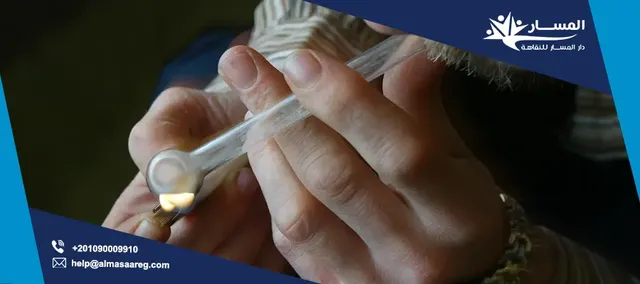
Shabu Addiction Treatment: 7 Effective Steps to Recovery Without Relapse
Shabu addiction shows in rapid weight loss, severe insomnia, tremors, a racing heart, dry mouth with tooth decay and weakened immunity. It is treated in seven steps: assessment, supervised detox, treatment of psychiatric symptoms, cognitive behavioural therapy, group therapy, family involvement and aftercare.
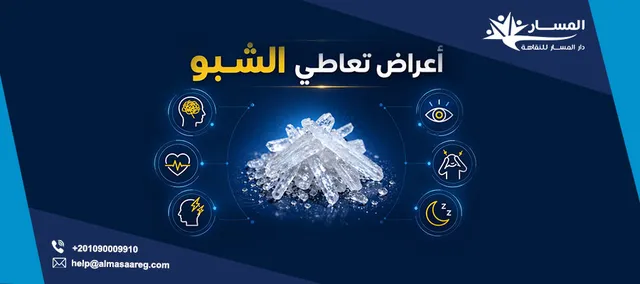
Shabu Use Symptoms: 8 Psychological and Physical Signs You Should Never Ignore
The symptoms of shabu (ice) use appear quickly: hyperactivity and rapid speech, chronic insomnia, loss of appetite and weight, dilated pupils, skin picking and sores, tooth decay, paranoia and, in severe cases, hallucinations and acute psychosis. Spotting them early lets a family seek help in time.

Shabu Withdrawal Symptoms: 5 Shocking Facts About Withdrawal and Recovery Time
Shabu withdrawal begins within hours of stopping with severe exhaustion and long sleep, followed by intense low mood, anxiety, strong cravings and appetite swings. Symptoms peak in the first week and ease over two to four weeks, while depression and cravings can last months and need medical supervision.
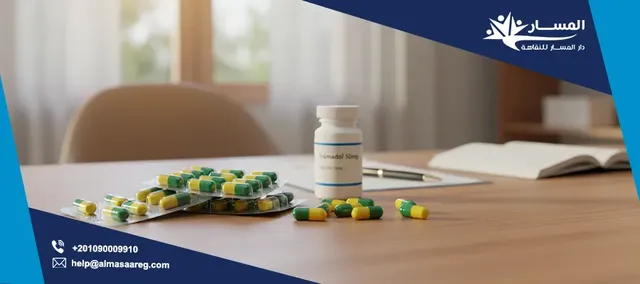
Tramadol Addiction Treatment: 10 Steps to a Full Recovery
Tramadol addiction is treated in ten steps: a medical assessment, supervised detox to control withdrawal symptoms that peak within the first three days, behavioural therapy, family involvement and aftercare. Tramadol stays detectable in urine for roughly two to four days; treatment length depends on the case.

Mental Health: Understanding, Awareness and the Road to Recovery
Mental health is a state of emotional, social and psychological balance that lets a person cope with pressure, work, build relationships and decide well. It is at risk when lasting changes in mood, thinking or behaviour cause distress and disrupt daily life. These disorders are treatable, and early help helps.


