Blog
Doctor-reviewed articles about addiction and mental health.

3 Months or More? When Does the Body Really Return to Normal After Quitting Hashish
The body starts rebalancing within 48 hours of quitting hashish, withdrawal peaks in the first week, and sleep and concentration improve within two to four weeks. Clearer recovery of brain receptors, mood and energy usually takes about three months, depending on how long and how much a person used.
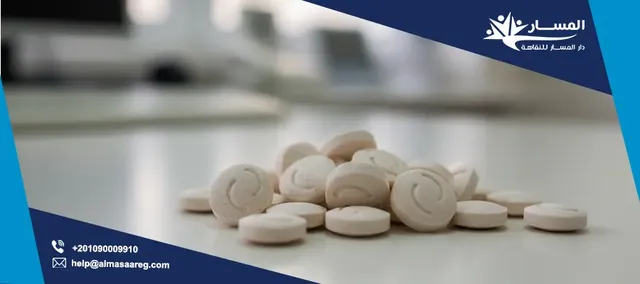
Captagon Addiction Treatment: 10 Essential Stages to Recovery Without Relapse
Captagon addiction is treated in a staged program: a medical and psychological assessment, supervised detox to manage the exhaustion, low mood and cravings of withdrawal, behavioural therapy that addresses the reasons for use, treatment of any heart or liver damage, and an aftercare plan.

How to Choose an Addiction Rehab Clinic: The 10 Most Important Criteria
A good addiction rehab clinic is chosen on ten criteria: official licensing, a specialist medical and psychological team, a safe detox protocol, proven behavioural programs, family involvement, confidentiality, safe accommodation, follow-up testing, an aftercare plan and transparent costs.
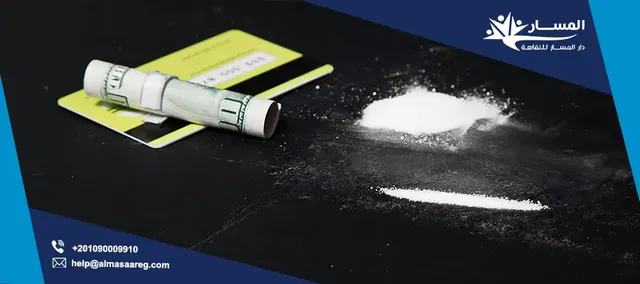
Cocaine Addiction Treatment: The 5 Best Ways to Achieve Full Recovery Without Relapse
Cocaine addiction shows in a racing heart and raised blood pressure, dilated pupils, loss of appetite and weight, insomnia and tremors. It is treated with five combined approaches: supervised detox, treatment of physical and psychological symptoms, cognitive behavioural therapy, group therapy and aftercare.
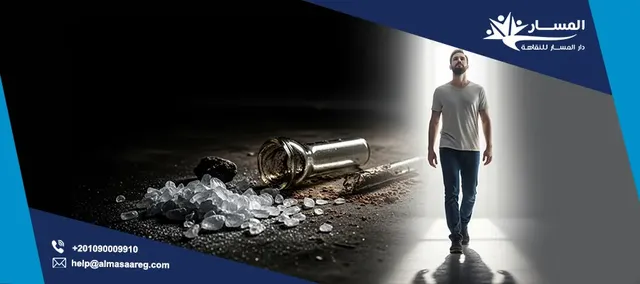
Crystal Meth Addiction Treatment: 10 Essential Stages to Prevent Relapse for Good
Crystal meth addiction is treated in stages: assessment, supervised detox to control the severe low mood, psychosis and cravings of withdrawal, intensive behavioural therapy, treatment of any co-occurring disorder and long-term aftercare. Home treatment is unsafe because of the psychiatric symptoms.
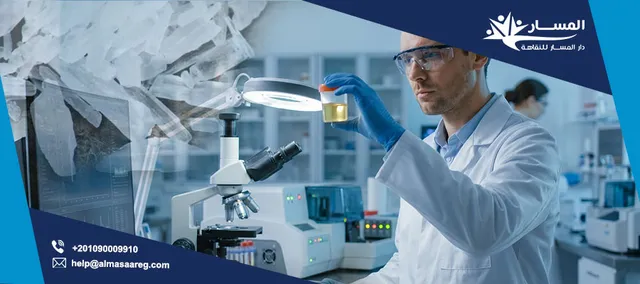
How Long Does Crystal Meth Stay in Your System? 7 Shocking Facts
Crystal meth is usually detectable in urine for about 3 to 5 days, longer than a week with chronic use, in blood for one to three days, in saliva for two to four days and in hair for up to 90 days. The window depends on dose, frequency of use and liver and kidney function, and home flushing methods do not shorten it.

Dual Diagnosis: When Addiction Meets Mental Illness
Dual diagnosis means a substance use disorder occurs together with another mental disorder such as depression, anxiety, a personality disorder or schizophrenia. It often arises from self-medication or shared risk factors, and each condition worsens the other, so both must be treated in one plan.
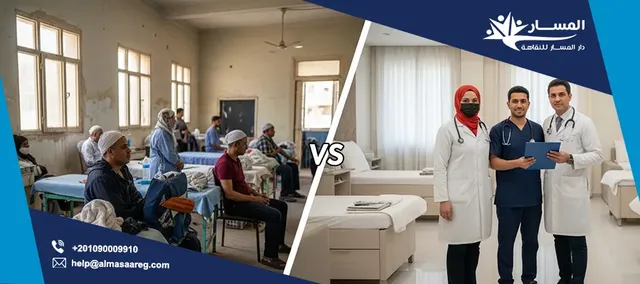
Free vs Paid Addiction Rehab Clinics: 9 Key Differences You Need to Know
Free and paid addiction rehab clinics differ in nine areas: waiting lists, accommodation, privacy, doctor-to-patient ratio, range of programs, family therapy, regular testing, aftercare and flexibility of length. Free clinics matter for those who cannot pay; paid centres offer faster, more personal care.
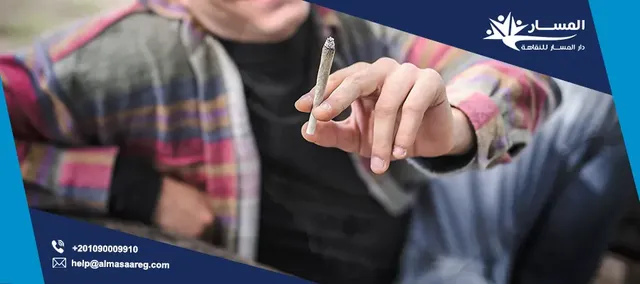
Hashish Addiction Treatment: 5 Medical Steps to a Safe Recovery
Hashish addiction shows in constant cravings, mood swings, poor concentration and memory, apathy, rising doses and difficulty stopping. It is treated in five steps: assessment, detox with withdrawal eased, behavioural therapy, treatment of any co-occurring disorder and aftercare, inpatient if needed.

Heroin Addiction Treatment: 4 Proven Steps to Recovery Without Relapse
Heroin addiction shows in constricted pupils, sudden drowsiness, slow breathing, itching, weight loss and intense cravings. It is treated in four steps: supervised detox with medication to ease withdrawal, behavioural rehabilitation, family involvement and aftercare. Inpatient care is safest given overdose risk.


